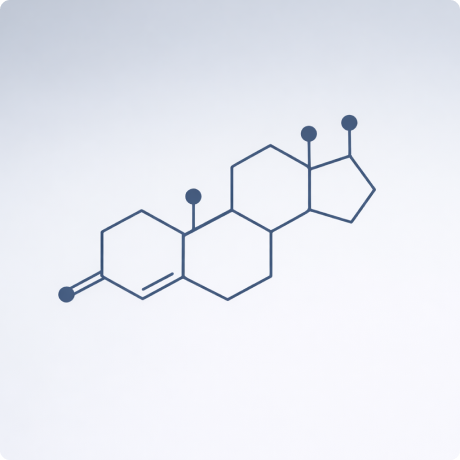
Testosterone deficiency, also known as hypogonadism or “low testosterone,” is a condition in which the body produces insufficient levels of the hormone testosterone. In men, testosterone is primarily produced in the testes and plays a key role in sexual function, muscle mass, bone health, and overall well-being.1,2
How Common is Testosterone Deficiency?
Testosterone deficiency is relatively common, particularly in aging men. Testosterone levels naturally decline with age, which contributes to the higher prevalence observed in older populations.3
What are the signs ?
The signs of testosterone deficiency can vary and often develop gradually over time. Common symptoms include:1,4
Reduced libido and erectile dysfunction
Low energy and fatigue
Decreased muscle mass
Low mood or reduced motivation
Difficulty concentrating
Sleep disturbances
What are the signs ?
The signs of testosterone deficiency can vary and often develop gradually over time. Common symptoms include:1,4
Reduced libido and erectile dysfunction
Low energy and fatigue
Decreased muscle mass
Low mood or reduced motivation
Difficulty concentrating
Sleep disturbances
What are the signs ?
The signs of testosterone deficiency can vary and often develop gradually over time.
Common symptoms include:1,4
Reduced libido and erectile dysfunction
Low energy and fatigue
Decreased muscle mass
Low mood or reduced motivation
Difficulty concentrating
Sleep disturbances
What are the signs ?
The signs of testosterone deficiency can vary depending on sex, age and severity. They typically include sexual, physical, and cognitive or emotional symptoms, which may develop gradually over time.
Common signs of testosterone deficiency: 3
reduced libido
Erectile dysfunction
Fatigue or low energy
Reduced muscle mass
Mood changes, such as irritability or depression
Difficulty concentrating
What are the signs ?
The signs of testosterone deficiency can vary and often develop gradually over time.
Common symptoms include:1,4
Reduced libido and erectile dysfunction
Low energy and fatigue
Decreased muscle mass
Low mood or reduced motivation
Difficulty concentrating
Sleep disturbances
What Causes Testosterone Deficiency?
Testosterone deficiency can result from disruptions at different levels of the hormonal system. It is commonly divided into two main types: primary and secondary hypogonadism.1,4
Primary hypogonadism originates from problems in the testes. Causes may include genetic conditions, injury, infection, certain medical treatments (such as chemotherapy or radiation), or tumors.
Secondary hypogonadism occurs when the brain (the hypothalamus or pituitary gland) does not properly signal the testes to produce testosterone. This may be associated with chronic illness, medications, or hormonal disorders.
In addition, lifestyle and health factors such as aging, obesity, and metabolic conditions can contribute to lower testosterone levels over time.5
References
1. Bhasin S, et al. Testosterone Therapy in Men With Hypogonadism: An Endocrine Society Clinical Practice Guideline.J Clin Endocrinol Metab. 2018;103(5):1715-1744. Available at: https://academic.oup.com/jcem/article/103/5/1715/4939465
4. Salonia A et al European Association of Urology Guidelines on Male Sexual and Reproductive Health: 2025 Update on Male Hypogonadism, Erectile Dysfunction, Premature Ejaculation, and Peyronie’s Disease European Urology, 2025; 88, 76-102. Article link: https://www.europeanurology.com/article/S0302-2838(25)00211-8/fulltext